
E-WASTE AT HOME
New and better is the name of the game these days, but the constant turnover of technology means a LOT of discarded items.
Each year, millions of people around the world trash electronic devices that could otherwise be recycled and reused to improve production of this year’s latest and greatest.

Yes, that’s right. Many electronic devices can be recycled, and we’re going to explain how! There are two categories of e-waste: electric and electronic. Electric devices typically refer to appliances, while electronic devices run on a stronger current. Here are some examples to better explain.
ELECTRICAL DEVICES
Microwaves
Water Boilers
Heaters
Fans
Toasters
Appliances/Whiteware (oven, fridge, dishwasher, etc.)

ELECTRONIC DEVICES
Mobile Devices/MP3 Player/USB
Radio/Stereo
Computer
TV/Projector
Vehicle Electronics
Chargers/Power Banks
Solar Energy Panels/Supplies
Wind Energy
We’ve all heard the major rule of thumb when it comes to recycling – anything with a plug or battery can, and should, be recycled. However, while this can apply in some cases, it is prudent to recognize that electric waste should always be handled with extra care. While some scrap parts of the machine can be reused, the product in question is usually a large-scale, advanced, and complicated devices, so it is not recommended that a novice attempt to handle the inner workings of the machine. The several complex components within make it far more likely that the device will either break or cause severe damage to the operator. It just simply isn’t worth the risk.
IS E-WASTE DANGEROUS?
When not handled properly, e-waste can be incredibly dangerous. These devices contain interior components that can become extremely toxic and hazardous if released, and, once airborne, there is little that can be done to rectify after the environment has been infected.
But what’s so dangerous about it? Let’s break down the materials used to make these necessary, but arduous, devices.
E-WASTE COMPONENTS
PBC Sockets (Epoxy, Copper, or Plastic)
Computer Chips (CPU, RAM, etc.)
Semiconductors (Resistors, Diodes, etc.)
Coolers (to include motors)
Displays (CRT, LCD, LED, AMOLED, etc.)
Wires, Cables, & Plugs
- Metal (Alumium sockets, Distance Pieces)
Cooling Paste (located between the CPU and Cooler)
Ferrit-Cores
Copper Power Supply
Screws
While seemingly innocent, these products will release deadly toxins into the environment if mishandled. And alarmingly, landfill companies often utilize the cheapest methods to break down and dispose of waste, so it may not always be the most beneficial solution for the environment.
The Ohio Environmental Protection Agency, a well-versed and well-respected source within the industry, recently released a report, pinpointing the most dangerous toxins being emitted into our ecosystem from e-waste:
An extremely dangerous material used in older cathode ray tubes and light-emitting diodes
Located in the CRT
Commonly used with copper to improve its strength, conductivity, and elasticity; may be found in older motherboards, contact springs within printed circuit boards, relays, laser printers within the mirror mechanism, and power supply boxes (which also contain silicon-controlled rectifiers and X-ray lenses)
Utilized within the cooling unit and insulation foam
Data tapes, floppy disks, circuit boards, a corrosion protectant in steel, and to solder interior components
Found in steel and used for structural strength and magneticity
Used to solder interior components; also found in cathode ray tubes, batteries, and printed wiring/circuit boards
Found in batteries
Commonly found within batteries, printed circuit boards, and the electron gun in CRT.
Found within plastic casings, cables, circuit boards, condensers, and transformers; this includes polychlorinated biphenyls (PCB), polybrominated biphenyls (PBB), polybrominated diphenyl ethers (PBDE), and tetrabromide bis-bisphenol-a (TBBA)
Located within cable insulation
Used to supply rectifier and power the circuit boards and also found within the printer drums of photocopiers.
Used within CRT screens and printed circuit boards
RECYCLING TECHNIQUES
The recycling process of any material incorporates a minimum of one shredding component, depending on the material used and where it is processed. For example, metals require much more time and effort to break down than plastics, so sometimes other countries are employed for their more advanced shredding and recycling processes.
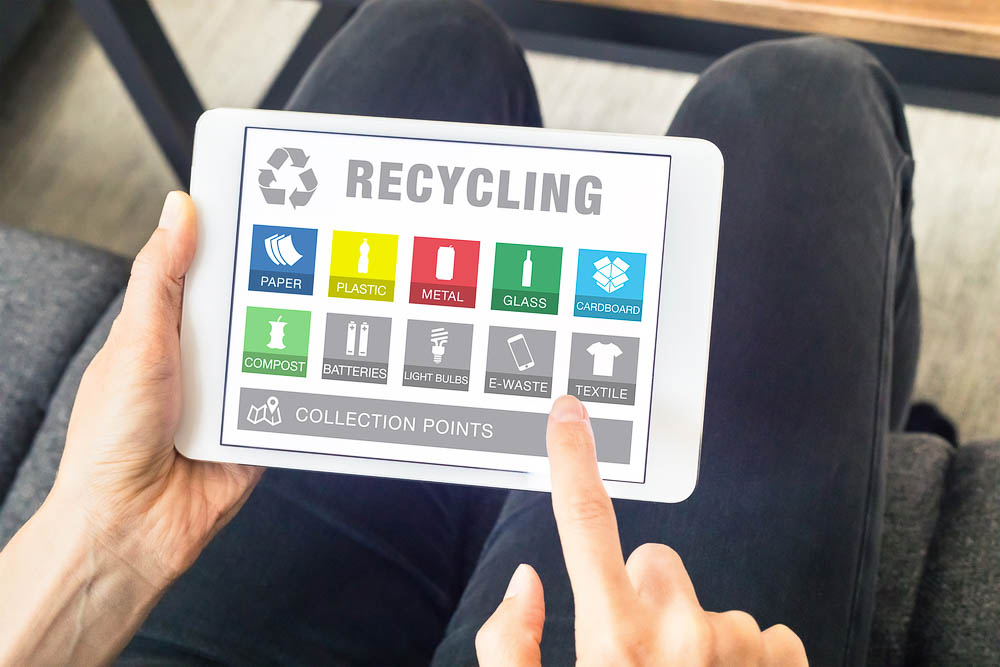
Given the convenience and availability of these recycling services, there really is no reason to recycle products yourself. One mistake, and hazardous waste could easily be exposed to both you and the environment, causing irreversible damage. Therefore, please take care to always ensure e-waste is discarded at a proper recycling facility (easily found within larger metropolitan areas).
Meanwhile, the mountains of e-waste continue accumulate each day with the launch of each shiny new toy that sends commerce soaring, and concerned scientists, environmentalists, and activists are working around the clock to develop a safe and efficient process for the waste these new products are generating. The turnover is truly incredible.
With so much waste, it is important to understand the lengthy process of recycling discarded devices. It takes incredible patience and time, as well as the help of highly specialized tools and programs. There are seven main steps explained here:
Upon arrival at the recycle facility, all products are manually sorted and are required to undergo a battery inspection for general assessment and quality control.
This labor-intensive process includes the manual dismantling of each item that enters the facility. Core materials and components are disassembled and inspected, and, depending on whether they can be reused, they are then catalogued and categorized accordingly.
Once an item is completely broken down, it is sorted accordingly and then shredded in large batches into 2” or smaller fragments.
These fragments are then sent to a system similar to a conveyor belt, where they are further disintegrated in a process that carefully removes and disposes of these materials according to safety biohazard guidelines designed to preserve the environment.
With all metallics extracted, now only the non-metallic components remain. The metallic components will either be re-used for fresh manufacturing or marketed for sale as raw materials.
Now that the metallic components have been disposed of properly, the focus shifts back to the remaining debris. Water is sprayed to separate the final reusable pieces: applicable items here would be plastic, glass, copper, iron, steel, and shredding circuit boards. Any remaining valuable metals will be reserved, and the remainder of the debris is finally sent to compost.
VALUABLE & REUSABLE E-COMPONENTS
The following items are incredibly valuable and should always be recycled:
Perhaps the most versatile, these metals can be repurposed into new steel, and other metallic, objects. These are a favorite among personal collectors, as they can be sold to junkyards and recycling centers for a profit.
Specialized technology is required to extract mercury from recyclables, yet it is extremely precious. The demand for recycled mercury is high, as it can utilized in popular everyday items as fluorescent light and metric instruments.
Because of the complicated extraction process, these items are sent to accredited specialists to melt them down. Silver, tin, gold, palladium, and copper are just some of the metals that found be found within these circuit boards and repurposed.
Perhaps the most commonly recycled items, most people recycle their used cartridges directly to the manufacturing companies; the customer gets a discount on new ink and toner replacements, and the companies ensure the repurposing of old cartridges into new ones.
ENVIRONMENTAL CONCERNS REGARDING E-WASTE
While concern and awareness for the environment has slowly increased over the decades, it isn’t enough. There simply isn’t enough attention nor education to teach people about recyclables, and more importantly, how to properly recycle those crucial materials already within their possession.
Many neglect recycling as a viable option of disposal because they are intimidated (and rightly so) by the dangerous components that lay within these items. Just one mistake could cause physical harm not only to its handler, but it could also have incredibly damaging effects on pollution control.
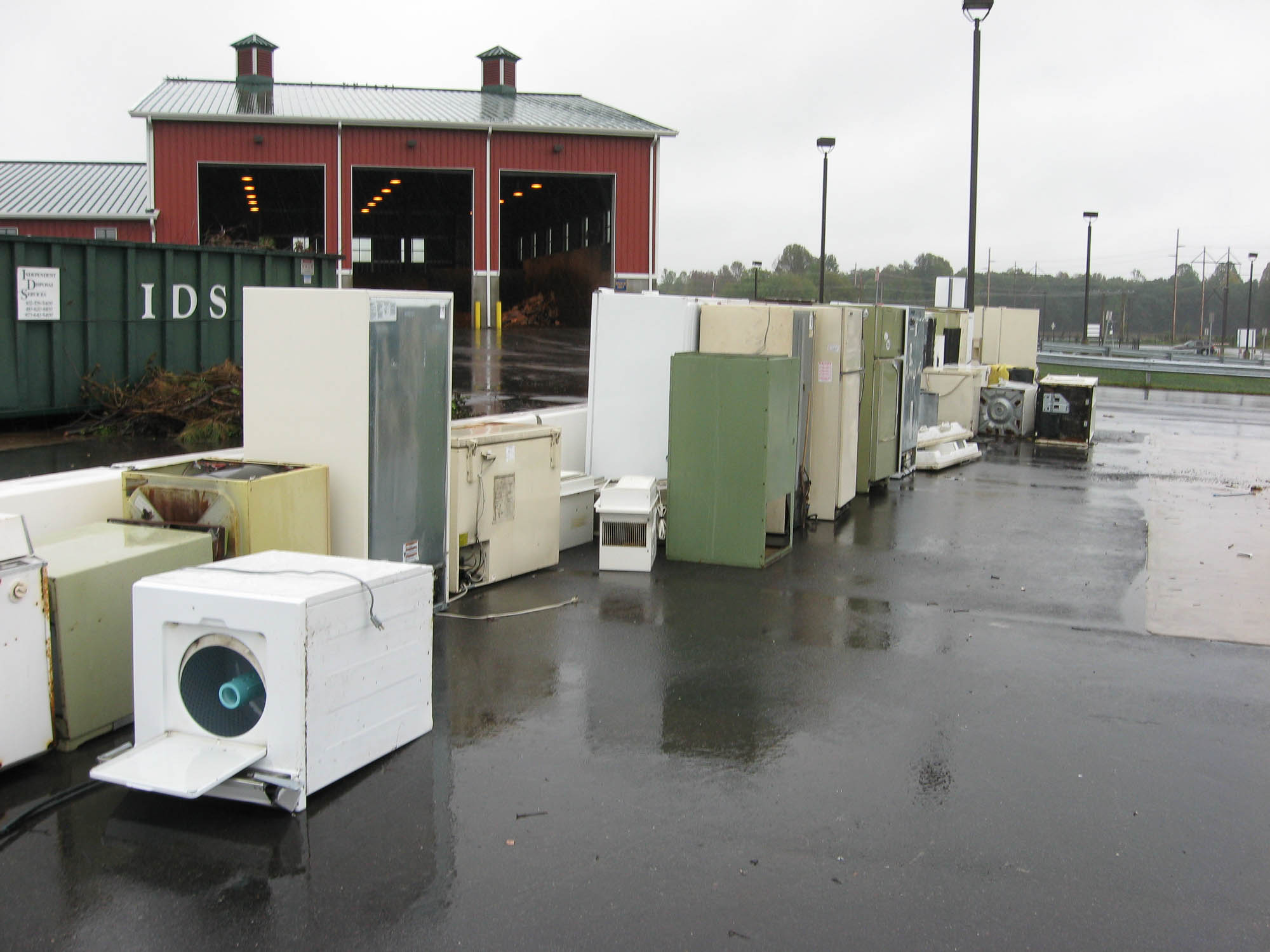
As easy as it is to toss these items in a bin, making the conscious decision to recycle instead makes an incredibly positive impact on our environment.
With resource depletion a viable concern, recycling is more important than ever. If you consider how many materials are lost to overcrowded and over polluted landfills every day, just the smallest reduction in waste could benefit the planet immeasurably. And with numerous recycling professionals and services available to help, there really is no need for self-disassembly.
These facilities, however, must also remain vigilant, taking extra care with safety precautions and maintenance. This is not only to ensure the proper survival of these materials, but also the safety and security of the people and surrounding area. The mishandling of heavy metals from landfills, or even incinerator ashes, could have devastating consequences if handled improperly.
DISPOSAL OF E-WASTE
Furthermore, technological and scientific advancements have proven that burying metals in the earth is only causing further damage, sending poison down to the very roots of our planet. We are essentially poisoning our soil and our air, creating an inescapable issue.
For these reasons, landfills are a less frequently used solution to waste control in most areas.
While fire can sometimes seem like the fastest and most effective solution, it can also be incredibly hazardous when combined with e-waste. E-waste, in particular, is extremely toxic; as it begins to melt, toxic elements are released into the air. Studies show that these chemicals can invite cancer, birth defects, kidney damage, and complications to the central nervous system, among other ailments. For our own safety, it is crucial that incinerators are used as a last resort for e-waste disposal.

COST BREAKDOWN: RECYCLING VERSUS NEW PRODUCTION
Now, if only we could get the corporate world to come on-board. Unfortunately, more and more corporations these days are only interested in new materials, viewing it as a cost-saving measure. They find it simply more cost-effective to start anew than to invest the time and funds to recycle – and then repurpose – an existing part. Additionally, more plentiful materials like gold and copper are also being substituted into products to cut costs, and because of this, commodities like steel or oil-based plastics have experienced a sharp decline in value over recent years.
While recycling may be the eco-friendly thing to do, it certainly isn’t the most cost effective, and sadly, corporations are just unwilling to commit the time and resources to explore other eco-friendly and sustainable options.
CONCLUSION
According to the United Nations, the world estimate of e-waste falls around 20 to 50 million TONS annually. The past has demonstrated that we cannot rely on our corporate partners to suddenly commit to green practices. Therefore, the responsibility falls to environmentalists and concerned citizens of this global community to spread awareness and further the education of sustainable e-waste disposal solutions.
As an entire civilization, we must commit to responsible usage. The help is there – one must only ask to receive.




Leave A Comment